Compare man and van quotes West Hampstead real cost guide
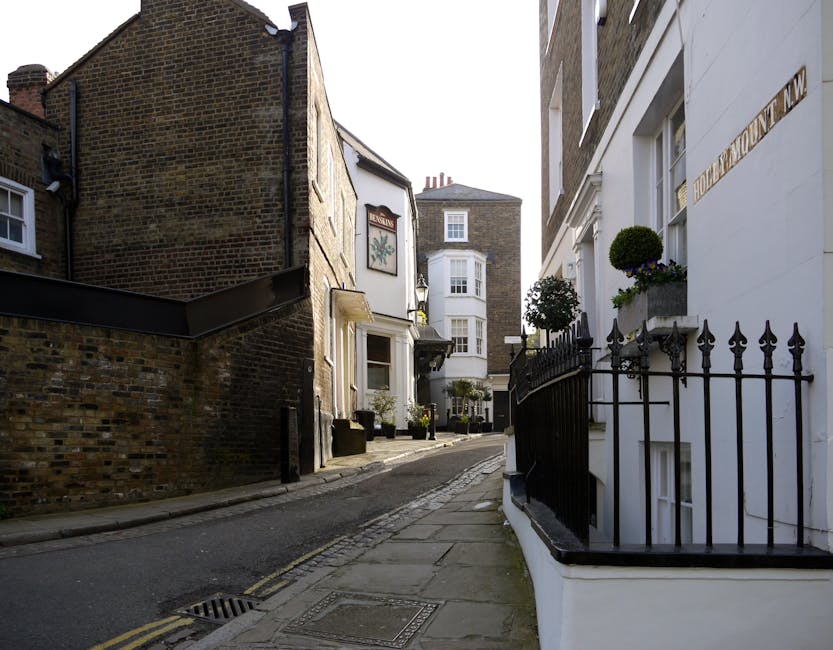
If you are trying to compare man and van quotes in West Hampstead, the tricky bit is not finding prices - it is figuring out the real cost hiding behind them. A quote can look tidy on the screen and still leave you paying more once stairs, waiting time, parking pressure, or extra handling are added in. This guide breaks it down in plain English so you can compare quotes properly, understand what affects the final bill, and choose a mover with a bit more confidence.
West Hampstead has its own moving rhythm. Busy streets, tight access, flats above shops, and the usual London parking dance can all nudge the cost up or down. So rather than chasing the cheapest number, it helps to compare like for like. That sounds obvious, but in practice it is where people get caught out. Let's fix that.
Why Compare man and van quotes West Hampstead real cost guide Matters
Comparing quotes properly matters because moving costs are rarely just about the headline rate. In West Hampstead, the final price often reflects time, access, and the amount of care required to get items out safely. A cheap-looking quote may assume easy loading, unrestricted parking, and a short job. If your move does not match those assumptions, the bill can climb quickly.
This is especially true for smaller London moves. A one-bedroom flat move can be simple on paper, but add a fifth-floor walk-up, a narrow stairwell, or a van that has to double-park while someone hunts for space, and the job changes. Quite a lot, actually.
There is also the trust side of it. A good quote should help you understand the service, not just the number. It should make clear what is included, what is optional, and what might trigger extras. If a company is transparent at the start, that is usually a good sign. If the quote is vague, well, your future self may not thank you.
For many people, the real goal is not the lowest price. It is the best value for the move you actually need. That might mean a man and van for a small home move, a more structured removal services option for larger loads, or a careful approach to home moves where furniture, boxes, and access all need planning.
How Compare man and van quotes West Hampstead real cost guide Works
At its simplest, comparing man and van quotes means asking several providers to price the same job using the same information. That sounds easy, but the details matter. If one company thinks you are moving a sofa and six boxes while another thinks you are moving a two-bed flat with parking restrictions, the numbers are not comparable at all.
A proper comparison starts with clear job details:
- pickup and delivery postcodes
- property type at both ends
- number of floors and whether there is a lift
- volume of items, especially bulky furniture
- need for packing help or dismantling
- parking access near the door
- preferred moving date and time window
Once that information is shared, a mover can estimate labour, vehicle size, time on site, and any special handling. For example, a smaller moving van may be enough for a compact move, while a larger load might need a different setup altogether. If you are shifting office equipment rather than household items, the right fit may be closer to commercial moves or office removals.
The real cost guide part comes in when you compare not just the quote total, but the assumptions behind it. Is the price hourly or fixed? Does it include fuel? Is waiting time charged? Are stairs, long carries, or weekend slots extra? These are the little details that decide whether a quote is good value or just good-looking.
Key Benefits and Practical Advantages
There are a few solid reasons to compare quotes carefully instead of choosing the first option that sounds reasonable.
- Better price clarity: you can see what is actually included and what is not.
- Less chance of hidden extras: you reduce the risk of surprise charges later.
- Better service matching: the mover is more likely to send the right size vehicle and the right number of people.
- Improved timing: you can judge whether a provider can handle your schedule and access constraints.
- Stronger peace of mind: you are less likely to feel rushed or unsure on moving day.
There is also a less obvious benefit: comparing quotes forces you to think through your own move properly. That process can uncover issues early, like a bulky wardrobe that needs dismantling, a building with awkward access, or the need for packing and unpacking services. You catch the problem before it turns into a very annoying morning.
In West Hampstead, where access can be tight and moving slots can feel short, that kind of preparation is not a luxury. It is part of keeping the move calm and cost-controlled.
Who This Is For and When It Makes Sense
This guide is for anyone who wants a practical way to compare man and van quotes without getting lost in jargon or marketing fluff. It is especially useful if you are:
- moving from a studio, one-bed, or shared flat
- relocating a few large items rather than a full household
- trying to keep costs down on a local London move
- moving in or out of West Hampstead with parking or access challenges
- choosing between a man and van, a removal company, or a larger vehicle
- organising a business move and need a more cost-aware plan
It also makes sense if you have had mixed experiences before. Maybe you paid more than expected because the job took longer. Maybe you got a bargain quote that turned into a not-so-bargain final invoice. You are not alone there. A lot of moving cost confusion comes from unclear assumptions, not bad intentions.
If you are still deciding whether a smaller service is enough, it can help to look at the broader range of options, from movers to removal company support and even removals near me if you want to compare local availability. Sometimes the right answer is simpler than you think.
Step-by-Step Guidance
Here is a straightforward way to compare quotes without missing the important stuff.
- List everything that is moving. Be honest and specific. Count the awkward items too, not just the boxes.
- Measure access at both ends. Note stairs, lift size, doorway width, and any long carry from the vehicle.
- Decide whether you need help with loading or packing. A bare van hire is not the same as a full assisted move.
- Ask for the pricing format. Fixed quote or hourly rate? Both can work, but you need to know which one you are being offered.
- Check what is included. Fuel, waiting time, congestion, dismantling, reassembly, and protective materials may or may not be covered.
- Compare more than the price. Look at availability, communication, insurance, and how clearly the company explains the job.
- Confirm the final details in writing. Even a simple message summary can prevent a lot of back-and-forth later.
A small real-world example: two quotes might both look fine at first glance. One is a little cheaper, but it assumes a ground-floor collection and no waiting. The other is slightly higher, but it includes a proper loading window and enough time for a tricky staircase. In practice, the second quote can be the cheaper one once the day arrives. Strange but true.
For larger or more layered moves, it may be worth checking pages such as house removals, house movers, or man with van to understand how service scope can change the price structure. Not every move needs the same level of support.
Expert Tips for Better Results
To get better quotes, you do not need to become a moving expert overnight. You just need to give better information and ask sharper questions.
- Send photos where possible. A quick image of the stairs, the largest sofa, or the entrance can help a provider quote more accurately.
- Be realistic about time. If you think the job will take 45 minutes but you are moving a wardrobe, bed frame, desk, and ten boxes, that estimate may be optimistic.
- Ask about parking and access assumptions. In West Hampstead, that matters more than people expect.
- Check whether the quote is for one person or two. A man and van service can vary quite a bit depending on labour included.
- Use the same brief for every company. It is the only fair way to compare.
Here is a simple rule of thumb: the better the description, the better the quote. If you leave out the awkward bits, the quote will often look friendlier than it should. And then, on moving day, the real cost appears. Nobody wants that little surprise while standing in the hallway with a mattress and a kettle.
Another good habit is to ask how the company handles delays. City traffic, lift delays, and awkward building access can happen. A transparent policy on waiting time and extensions is a sign you are dealing with a mover that understands real-world jobs, not just ideal ones.
Common Mistakes to Avoid
Some mistakes come up again and again. They are easy to make, honestly, especially when you are juggling boxes and trying to finish a tenancy handover.
- Comparing different job scopes. One quote may include labour while another is vehicle-only.
- Ignoring access issues. A third-floor flat with no lift is not the same as a ground-floor pickup.
- Focusing only on the cheapest number. Cheap can become expensive if the quote is incomplete.
- Not checking insurance or handling standards. If items matter to you, you want to know they will be treated with care.
- Forgetting timing constraints. Rush jobs can cost more, and Friday afternoon slots are often harder to secure.
- Leaving out bulky or awkward items. Wardrobes, mirrors, white goods, and garden items can all affect the quote.
One mistake that deserves its own mention: assuming every man and van job is the same. It really is not. Some jobs are just a driver and a van. Others are more like light removals with careful loading, packing help, and a proper schedule. The names can blur together, but the cost structure often does not.
Tools, Resources and Recommendations
You do not need a complex toolkit to compare quotes well, but a few simple things make life easier.
- A rough inventory list: write down furniture, box count, and fragile items.
- Room-by-room notes: these help you avoid forgetting items stored in cupboards, lofts, or balconies.
- Phone photos or short videos: especially useful for stairs, parking, and large items.
- Calendar check: confirm access times, building rules, and your own deadlines before you book.
- Service comparison pages: useful for understanding the difference between man with a van, man with van removal, and removals van options.
If you want to understand pricing structure in more detail, the pricing and quotes page can be a sensible next stop. For payment confidence, you may also want to review payment and security. It is a small step, but it helps you feel less like you are guessing.
For sustainability-minded readers, the company's recycling and sustainability information may also matter, particularly if you are clearing items during a move and want to avoid unnecessary waste. And if you are curious about the firm itself, about us gives useful background without the usual corporate fog.
Law, Compliance, Standards, or Best Practice
Moving services in the UK are not just about lifting boxes. There are sensible standards around insurance, safety, and fair trading that matter to customers. You do not need to become a compliance specialist, but you should expect clear information about how the company works, how goods are handled, and what happens if something goes wrong.
At a practical level, best practice usually includes:
- clear pricing terms
- honest explanation of optional extras
- careful handling of goods
- appropriate vehicle loading
- reasonable communication before and during the move
- basic insurance and safety awareness
It is also sensible to review the company's insurance and safety information, plus the health and safety policy, if you are choosing between providers. That does not mean every move is risky. Far from it. It just means a professional outfit should be able to explain how they reduce avoidable problems.
For the contractual side, a read-through of the terms and conditions is sensible before you commit. If a dispute ever arises, the complaints procedure should tell you how concerns are handled. It is not glamorous, but it is part of buying a service properly.
Options, Methods, or Comparison Table
Not every move needs the same kind of booking. Here is a practical comparison of common options people consider in West Hampstead.
| Option | Best for | Typical cost logic | Watch out for |
|---|---|---|---|
| Man and van | Small home moves, single items, light local jobs | Often hourly or job-based | Extra time, stairs, parking delays |
| Man with a van | Flexible local transport with one helper or driver-led support | May vary by labour and van size | What labour is actually included |
| Removal company | Larger household moves or more structured relocation | Usually more detailed pricing | Scope creep if the inventory is incomplete |
| Office removals | Business moves, desks, IT, and planned downtime | Often priced around access, volume, and scheduling | Setup, timing, and equipment handling |
| Furniture pick up | Single-item collection or Marketplace-style moves | Short jobs may be cheaper but still time-based | Size, weight, and access |
For some readers, the best comparison is simply whether a removal van or a fuller removals package makes more sense. A quick move of a bed and a few boxes may not need anything bigger. A packed two-bed flat almost certainly does.
Case Study or Real-World Example
Here is a realistic West Hampstead-style example. A renter is moving from a second-floor flat near the station to another flat not far away. The job includes a sofa, bed frame, mattress, desk, chair, TV, and around twelve boxes. There is no lift at the pickup property, and parking is tight outside both buildings.
They request three quotes. The cheapest one looks appealing at first, but it only covers a short loading window and does not mention stairs. The middle quote is more detailed and asks for photos. The highest quote includes more labour and a longer time allowance.
After comparing the details, the renter picks the middle option. Why? Because it feels realistic. It allows time for the stairs, the parking shuffle, and the fact that a bed frame never, ever seems to fit through a doorway on the first try. On the day, the move takes a bit longer than expected, but there are no surprise charges and no awkward discussion at the end of the staircase. That matters more than saving a small amount up front.
That is the real lesson here. The best quote is not always the lowest. It is the one that matches the move.
Practical Checklist
Use this checklist before you confirm a quote.
- Have I listed every item that needs moving?
- Have I mentioned stairs, lifts, and long carries?
- Have I confirmed both addresses, postcodes, and parking conditions?
- Do I know whether the quote is fixed or hourly?
- Have I asked what is included in the price?
- Do I know whether fuel, waiting time, or extra labour may be charged?
- Have I checked insurance and safety information?
- Do I need packing help or furniture dismantling?
- Have I compared the service scope, not just the headline price?
- Do I have the quote in writing?
If you can tick most of those off, you are already ahead of many customers. Not perfect, maybe. But prepared. And in moving, prepared is good.
Get a free quote today and see how much you can save.
Conclusion
Comparing man and van quotes in West Hampstead is really about understanding the real cost, not just the first number you see. Once you factor in access, timing, labour, parking, and any extra handling, the cheapest-looking quote is not always the cheapest move. Sometimes it is the most expensive one in disguise.
If you take one thing from this guide, let it be this: compare the service details carefully, ask direct questions, and make sure each quote is based on the same job description. That simple habit can save money, stress, and a fair bit of last-minute faff.
And if your move feels a bit messy at the planning stage, that is normal. A good moving plan usually starts slightly chaotic and gets better once the details are written down. Bit by bit, it comes together.
For a final bit of confidence, you can also explore man and van removals or removal services if you think your move may need a more complete setup. The right service, matched properly, tends to make everything easier.
Frequently Asked Questions
How do I compare man and van quotes properly?
Use the same job details for every provider: inventory, access, floors, parking, timing, and whether you need help with loading or packing. Then compare what is included, not just the total price.
What affects the real cost of a man and van in West Hampstead?
The biggest factors are time, access, stairs, parking, item volume, and whether extra labour is needed. Local traffic and building layout can also change the final bill.
Is a fixed quote better than an hourly rate?
Neither is always better. A fixed quote gives more certainty, while an hourly rate can be fair for small, simple jobs. The right choice depends on how clearly your move is defined.
Why do some quotes look cheap but end up costing more?
Cheap quotes sometimes leave out waiting time, stairs, long carries, fuel, or extra helpers. Once the job starts, those omissions can add up.
Should I send photos when asking for quotes?
Yes, if you can. Photos of bulky items, stairs, lifts, and parking access help companies price the move more accurately. It is a small step that often saves hassle later.
Do I need a removal company or is a man and van enough?
If you are moving a small flat, a few pieces of furniture, or a short local load, a man and van may be enough. For bigger homes, more items, or more structured moves, a removal company may be the better fit.
What should I ask before booking?
Ask what is included, whether the quote is fixed or hourly, how waiting time is charged, whether insurance is in place, and whether stairs or parking issues affect the price.
Are weekend or evening moves more expensive?
They can be, depending on availability and how the provider structures its pricing. Peak times often carry more pressure, so it is worth checking early.
How do parking problems affect the price?
If the van cannot park close to the property, loading takes longer and labour time rises. In London, that is often one of the biggest hidden cost drivers.
What if I have just one or two large items?
For single items, a smaller service or furniture collection style job may be more suitable. Pages like furniture pick up can help you understand that kind of move better.
Should I read the terms before I confirm?
Yes. It is boring, sure, but it helps you understand cancellation rules, payment terms, and what happens if the job changes on the day.
Can I use the same quote request for home and office moves?
You can, but it is better to tailor it. Home moves and office relocations involve different items, timings, and handling needs. If it is a workplace move, check office relocation services or office removals for a better match.
How many quotes should I compare?
Three is usually enough to see a sensible range without turning the process into a part-time job. The key is making sure all three quotes are based on the same information.
What if I am not sure which service type I need?
That happens a lot. Start by comparing the scale of the job: one item, a small flat, or a full household. Then look at the most fitting option among man with a van, house movers, or broader removals support.
What is the safest next step after comparing quotes?
Choose the quote that best matches your actual move, confirm the details in writing, and make sure you understand any likely extras before moving day. That is the calmest route, and usually the cheapest in the end.