Recycling and Sustainability with West Hampstead Man And Van
 West Hampstead Man And Van is committed to providing a moving service that supports a cleaner, more responsible local environment. Our approach to recycling in West Hampstead is built around practical action: sorting materials carefully, reducing landfill use, and choosing lower-impact transport wherever possible. We understand that every clearance, relocation, or collection creates opportunities to recover useful items, separate recyclable materials, and direct reusable goods into the right next step. That is why our day-to-day operations are designed to make sustainable removals a normal part of the service, not an extra add-on.
Our recycling goal is clear: we aim to keep at least 90% of suitable clearance material away from landfill through reuse, recycling, and responsible recovery routes. This target guides how we handle furniture, cardboard, metal, textiles, and mixed household items. For customers looking for a greener West Hampstead Man And Van option, this means a process that prioritises sorting before disposal and gives salvageable items a genuine second life. By setting a measurable percentage target, we stay accountable and continuously improve how we manage waste streams.
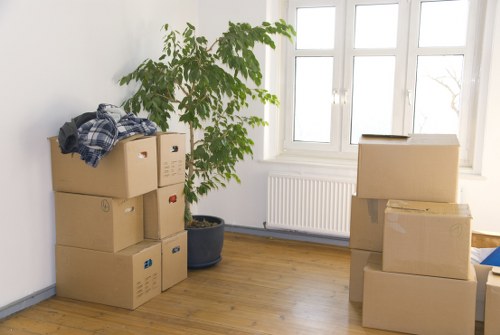 We also work with local transfer stations and waste facilities that support proper segregation of materials collected during removals. Items are assessed and separated before they reach the right facility, helping ensure that wood, paper, metal, WEEE items, and general mixed waste are handled appropriately. In boroughs across north-west London, waste separation practices are increasingly important, and our service reflects that local approach by paying attention to what can be recycled, what can be recovered, and what must be disposed of safely. This is especially relevant when clearing flats, offices, and properties where different waste types are often mixed together.
West Hampstead Man And Van also builds sustainability into the moving process through partnerships with charities and community reuse organisations. When suitable, items such as sofas, tables, wardrobes, books, kitchenware, and clean household accessories can be diverted toward donation rather than disposal. These partnerships help extend the life of belongings and reduce the environmental burden of replacing still-usable goods. A thoughtful man and van recycling service should not treat all unwanted items as rubbish; instead, it should look for ways to make sure useful items benefit others first.
 A key part of this approach is identifying reusables early. During a clearance, our team may separate items that can be passed on for charity, recycled through specialist channels, or taken to local transfer stations. This method suits the pace and variety of work in the area, where properties can generate everything from old wardrobes and white goods to packaging and office furniture. In practical terms, it means eco-friendly removals in West Hampstead are carried out with care, planning, and a strong emphasis on waste reduction. Even small actions, such as flattening cardboard and keeping metals distinct from general waste, can significantly improve recycling outcomes.
Another important part of our sustainability commitment is transport. We use low-carbon vans as part of a broader effort to reduce emissions associated with each move or collection. By maintaining efficient vehicles, planning routes carefully, and combining jobs where possible, we lower fuel use and support a more climate-conscious service. For customers choosing a green man and van in West Hampstead, this can make a meaningful difference, especially on busy moving days when multiple trips might otherwise increase emissions. Low-carbon vans are not a complete solution on their own, but they are an essential part of a responsible business model.
In addition to transport improvements, we keep a close eye on how borough-level waste separation shapes local expectations. Across the wider area, residents are increasingly familiar with separating dry recyclables, garden waste, electrical items, textiles, and general refuse into different streams. Our work aligns with this by helping customers prepare items for collection in a way that supports efficient processing at the next stage. Whether we are handling a one-room clearance or a full property move, the aim is the same: reduce contamination, increase recovery, and support the circular economy through better sorting habits.
We also recognise that sustainability is about more than what happens after collection. It starts with choosing what to remove, what to repair, and what to pass on. That is why our recycling-focused removals service encourages sensible decisions around reuse and donation before disposal. Old furniture may be suitable for a charity partnership; clean cardboard may be recycled separately; metal frames can often be directed into the correct recycling stream; and electrical items can be handled through appropriate waste routes. These small but important actions help build a more efficient and environmentally aware service.
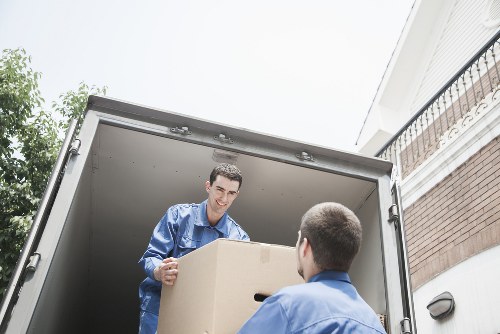 For households, landlords, and businesses in the area, a responsible removal service should offer confidence that waste is being dealt with properly. West Hampstead Man And Van supports this by combining local transfer station use, charity partnerships, and low-carbon vans into one practical sustainability plan. This approach reduces unnecessary landfill use while keeping the process straightforward for customers. It also reflects the character of the local community, where convenience and environmental responsibility increasingly go hand in hand.
 Looking ahead, our sustainability commitment remains focused on improvement. We will continue working toward our 90% recycling target, strengthening relationships with reuse and charitable organisations, and making transport cleaner and more efficient. As more properties, offices, and flats look for greener clearance choices, West Hampstead Man And Van aims to remain a reliable option for sustainable waste handling and responsible moving support. By prioritising reuse, recycling, and lower-carbon operations, we help make each job a little better for the environment and a little easier on local waste systems.