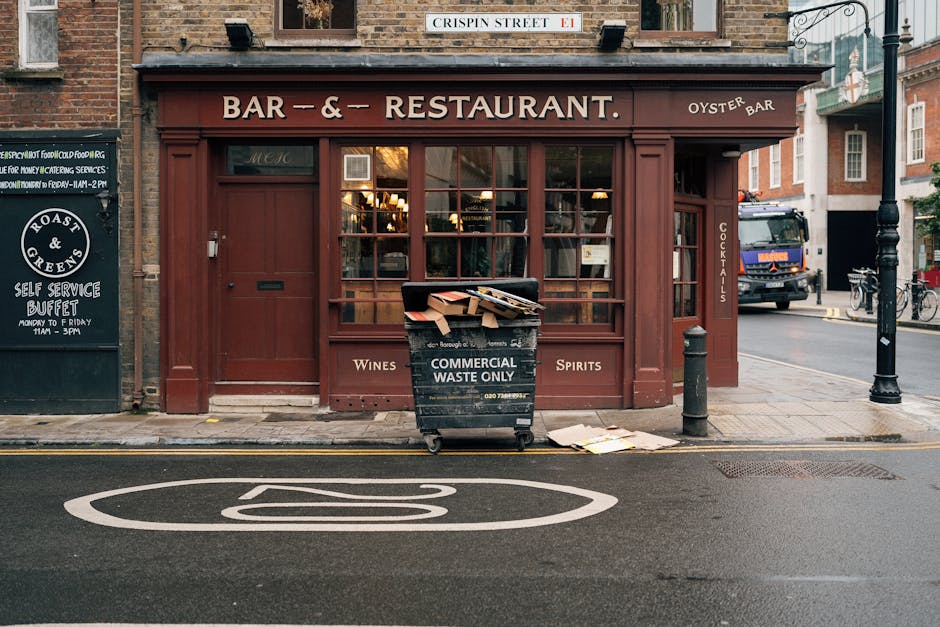

Camden Council skip and waste rules for West Hampstead removals
Posted on 01/08/2026
Camden Council Skip and Waste Rules for West Hampstead Removals
If you are planning a move in West Hampstead, the rubbish side of the job can catch people out faster than the lifting. Boxes, broken furniture, old mattresses, bagged clear-outs, and the odd "where did all this come from?" pile quickly add up. That is where Camden Council skip and waste rules for West Hampstead removals matter. Get them wrong and you can end up with delays, extra charges, blocked access, or waste left sitting around when you really need the place clear.
This guide explains the practical side in plain English: what the rules mean, how skips and waste collections usually work, what to do before moving day, and how to avoid the common mistakes that cause stress. We will also look at the local realities of West Hampstead flats, narrow streets, and time-sensitive removals, because let's face it, a tidy plan beats a scramble at 8:30 on a wet Tuesday.

Why Camden Council skip and waste rules for West Hampstead removals Matters
Waste planning is not the glamorous part of moving, but it is one of the parts most likely to bite you if you ignore it. In West Hampstead, many moves involve second-floor flats, communal entrances, limited kerb space, and neighbours who really do notice a skip or pile of rubbish sitting too long outside. Camden Council rules help keep streets safe, accessible, and fair for everyone using them.
For removals, the main issue is timing and responsibility. If you are using a skip, you need to think about where it will sit, whether it needs permission, and how long it can remain in place. If you are disposing of household waste as part of a clear-out, you need to separate what can be reused, recycled, donated, or legally removed by a licensed waste carrier. It sounds straightforward. In practice, not always.
What tends to surprise people is that moving waste is not just "throw it out and move on." Even a small same-week clear-out can create problems if items are left on the pavement, in a shared hallway, or on the street without proper arrangements. If you are coordinating a flat move, it helps to read up on the realities of local access and loading too, especially if you are dealing with West End Lane flats and tighter access points.
Key takeaway: the cleanest removal day is rarely the one where waste is left for later. Good disposal planning usually saves time, money, and a few awkward conversations with neighbours.
How Camden Council skip and waste rules for West Hampstead removals Works
The basic process depends on the type of waste and how much of it you have. For many West Hampstead removals, there are four common routes: keep it, donate it, recycle it, or dispose of it through a proper waste service. A skip is just one option, and often not the best one for a flat move unless the volume is substantial.
Here is the practical version. If you are having a clear-out before moving, start by sorting items into categories. Furniture, boxed belongings, electrical items, bagged general rubbish, and recyclable materials should not all be treated the same way. If you leave everything until the day before, the whole job gets messy very quickly. It always does.
Skip use in Camden generally brings a few common considerations: placement, size, duration, and whether the skip sits on private land or the public highway. If it is on the road, you should expect that permissions and conditions may apply. If it is on private property, access can still be an issue, especially in narrow mews-style access or older residential courtyards. For removal planning, that matters because the vehicle, the skip, and the loading process all need to fit around each other without creating chaos.
For many people, a better fit is a removal service that includes careful sorting, transport, and responsible disposal or recycling. If you are comparing approaches, it is worth looking at the wider range of removal services in West Hampstead and deciding whether you need a skip at all, or simply better waste handling on moving day.
One important distinction: waste from a move is not all the same. Cardboard boxes, soft furnishings, white goods, old paperwork, and broken household items may each need different handling. If you are packing from scratch, the process gets easier when you also think about packing and boxes in West Hampstead at the same time, because good packing reduces waste. Less tape, fewer damaged items, fewer regrets.
Key Benefits and Practical Advantages
Following the right waste process is not just about avoiding trouble. It genuinely makes the move smoother.
- Less last-minute panic: if waste is sorted early, moving day feels calmer and more controlled.
- Lower risk of delays: you avoid discovering that you cannot leave items on the street, or that a skip cannot be placed where you thought.
- Cleaner handover: landlords, buyers, and agents prefer a property that is properly cleared, not half-abandoned with rubbish bags by the door.
- Better recycling outcomes: separating recyclable materials usually means less goes to general waste.
- Reduced chance of damage: fewer loose items around the entrance means less bumping, tripping, or dragging things across floors.
There is also a practical cash benefit. A well-planned disposal route can be cheaper than a rushed one. Rushed waste removal tends to create hidden costs: extra labour, second trips, temporary storage, or a skip that is too small and needs replacing. If you want to understand how moving quotes can balloon, it is worth reading about avoiding hidden fees in West Hampstead removals quotes.
And to be fair, peace of mind counts. Most people do not want their moving day dominated by the question, "Where is all this going?" Sorting waste early turns that into a smaller, manageable task instead of a crisis.
Who This Is For and When It Makes Sense
This topic matters to more people than you might expect. It is not only for anyone hiring a skip. It also helps if you are doing a flat clear-out, preparing a property for sale, helping a student move out, or running an office relocation where old files, furniture, and broken equipment need careful disposal.
In West Hampstead, the most common situations are:
- Flat moves: where bulky furniture, old bedding, and cardboard build up quickly.
- House removals: where lofts, sheds, and cupboards reveal much more clutter than expected.
- Student moves: where limited budgets mean waste planning needs to be simple and economical.
- Office removals: where clearance must be tidy, discreet, and organised around business hours.
- Short-notice moves: where there is very little time to sort disposal properly.
If you are moving from a compact flat or terrace property, a reliable removal team and a light-touch clearance plan can be more practical than a full skip. Many readers find it helpful to compare options with flat removals in West Hampstead or, where larger family furniture is involved, house removals in West Hampstead.
Sometimes the decision is obvious. Sometimes it is not. If you only have a few bulky items and some general rubbish, a skip may be overkill. If you are clearing a whole property before sale, it may be the cleanest solution. The point is to match the waste method to the job, not the other way around.
Step-by-Step Guidance
Here is a straightforward process that works well for most West Hampstead removals. It is not fancy, but it is reliable.
- Do a room-by-room sort. Separate keep, donate, recycle, and dispose. Start with wardrobes, under beds, cupboards, and storage boxes, because hidden clutter tends to appear there.
- Measure bulky waste. A sofa, wardrobe, or mattress can change the whole plan. If you know the size, you can judge whether a skip, a van load, or a combination makes more sense.
- Check access early. Look at where a skip could physically sit, how a removal vehicle will park, and whether there is space for loading without blocking the street.
- Decide what needs specialist handling. Electrical items, fridges, certain office materials, and awkward furniture can't just be treated like mixed rubbish.
- Book your removal timing around waste. Waste should ideally leave with the move or just before it, not after. Otherwise you end up packing around clutter and that is miserable.
- Use a licensed disposal route. Make sure anything leaving the property is collected and removed properly. Do not hand waste over to someone who cannot show they are legitimate.
- Keep the final space clear. Do a last walk-through. Check cupboards, balconies, sheds, and behind doors. One small missed pile can undo a lot of good work.
If the move is time-sensitive, this is where planning pays off. A lot. Some people also choose to combine disposal with urgent transport. In those cases, a same-day option can be the difference between a neat handover and a chaotic one, so it may be worth looking at same-day removals in West Hampstead.
Expert Tips for Better Results
After enough moving days, you start to notice patterns. The best outcomes usually come from small decisions made before the van arrives.
- Declutter two or three days earlier than you think you need to. That little buffer matters. It saves the "I'll deal with it tomorrow" problem.
- Keep one bag for mixed rubbish only. If everything gets tossed into random sacks, sorting becomes slower and more expensive.
- Flatten cardboard as you go. It makes a huge difference to volume. Cardboard is sneaky like that.
- Separate reusable items early. Good furniture, working appliances, and usable boxes may be better kept in circulation than thrown away.
- Think in terms of load count, not just item count. One wardrobe can be a bigger problem than six bags of clothes.
- Protect common areas. In shared buildings, use door protection and keep a clean route. Neighbours notice the mess before they notice the move.
A useful local habit is to walk the route from your front door to the vehicle before moving day. In the dim light of an early morning lift, a step, a low sill, or a tight corner can suddenly matter. It sounds tiny. It isn't.
If you are handling furniture, it can help to review furniture removals in West Hampstead alongside your waste plan, because items being removed and items being discarded often get mixed together in the real world.

Common Mistakes to Avoid
Most waste problems on removals day come from a handful of predictable mistakes. The good news is that they are easy to avoid once you know what to watch for.
- Leaving waste on the pavement "just for a minute". That minute can become a complaint, a fine risk, or a blocked route.
- Underestimating how much rubbish there is. Clear-outs always produce more than expected. Always.
- Assuming any skip placement is fine. Street placement, shared access, and permit expectations can all affect the plan.
- Mixing recyclable and non-recyclable materials unnecessarily. This makes disposal less efficient and can raise costs.
- Forgetting about timing. If the waste service arrives too early or too late, you end up holding onto clutter.
- Not checking building rules. Some blocks have their own access, parking, and refuse rules that sit alongside council guidance.
A smaller but annoying mistake is ignoring the weather. A damp afternoon can turn cardboard into a soggy, flapping nuisance very fast. If you have ever tried carrying a collapsing box down a stairwell in drizzle, you will know the feeling. Not fun.
For narrow roads and awkward frontages, local access matters almost as much as disposal itself. If that sounds familiar, this advice on narrow-access house removals is worth a look.
Tools, Resources and Recommendations
You do not need a complicated toolkit for this. What helps most is a sensible system and a few practical items.
- Strong bags and sturdy boxes: better for sorting waste into manageable groups.
- Marker pens and labels: ideal for marking keep, donate, recycle, and waste.
- Measuring tape: useful for bulky items and access checks.
- Gloves and basic protective gear: sensible for lofts, gardens, sheds, and old storage spaces.
- Phone photos: helpful for recording furniture condition, access points, and what needs to go.
It also helps to choose a removal partner that understands both transport and waste handling. If you are comparing service styles, have a look at man and van services in West Hampstead, removal van options, and the broader services overview to see how the practical pieces fit together.
If you are packing boxes from scratch, you may also want to revisit package and boxes in West Hampstead. Reusing good boxes is a small win, but a real one.
Law, Compliance, Standards, or Best Practice
For moving waste in the UK, the main principle is simple: waste should be handled responsibly and by a proper route. That includes using legitimate waste carriers where required, avoiding fly-tipping, and respecting local rules on placing skips, loading vehicles, and leaving items in communal or public spaces.
You do not need to become a legal expert to move house properly, but you do need to avoid casual shortcuts. A bag left beside a street bin is still your responsibility until it is properly collected. A skip placed on a road is not just a container; it can be a controlled temporary structure with conditions attached. And if a disposal company seems vague about where your waste goes, that is a red flag. Probably a big one.
Best practice usually means:
- keeping waste off pavements and shared routes unless there is an agreed arrangement;
- separating reusable, recyclable, and general waste where practical;
- using licensed disposal services rather than informal or unverified collection;
- checking access, parking, and building management rules before moving day;
- keeping records or confirmations for disposal services where appropriate.
If your move involves vehicle access or parking challenges, the local logistics piece matters just as much as the waste piece. A useful companion read is what to know about Camden Council parking for removals.
For readers who want a service provider with clear operating standards, you can also review the company's approach through the health and safety policy, insurance and safety information, and recycling and sustainability pages. Those pages are useful because waste handling and move safety tend to overlap in real life.
Options, Methods, or Comparison Table
There is no single best method for every move. The right choice depends on volume, access, time, and how much sorting you want to do yourself.
| Method | Best for | Strengths | Watch-outs |
|---|---|---|---|
| Skip hire | Large clear-outs, bulky mixed waste, longer prep periods | Handles a lot at once; useful for major decluttering | Placement rules, space limits, and permit considerations may apply |
| Man and van disposal load | Moderate waste volume, flat moves, quick clear-outs | Flexible and often easier in tight streets | Needs proper sorting and a clear loading plan |
| Recycling and donation first | Usable furniture, boxes, clothes, and appliances | Reduces waste and can lower disposal volume | Requires time and a bit of discipline |
| Full removal service with disposal support | Busy households, offices, or short-notice moves | Convenient; keeps the process joined up | Choose a provider that is clear about what is included |
For many West Hampstead residents, the best answer is a mixture: reuse what you can, remove the keepers carefully, and only pay for the waste solution you actually need. Simple, but not always easy.
Case Study or Real-World Example
A typical West Hampstead move might look like this. A couple are leaving a top-floor flat near West End Lane. They have a bed frame, two bookcases, a broken desk chair, six bags of general clutter, and an alarming amount of cardboard from months of online shopping. Nothing dramatic. Just enough to become a headache if it is left too late.
At first, they consider a skip. Once they check the access and the amount of waste, though, it becomes clear that a full skip would be more than they need. The street is tight, there is limited spare space, and they only have a few bulky pieces. Instead, they sort the items, separate recyclable cardboard, and arrange a removal plan that clears the furniture and waste in one organised sweep.
The practical result? No waste sitting around the building entrance, no second trip to chase forgotten boxes, and no awkward moment where the hallway starts filling with bags while someone is still trying to find their keys. The whole thing feels boring in the best possible way.
They also booked their move with enough lead time to check details in advance, which is often the difference between a smooth day and a messy one. If you are in a similar situation, the safest approach is to compare waste volume against access, then choose the least complicated method that still does the job properly.
Practical Checklist
Use this checklist in the week before your move. It keeps the waste side under control without turning the whole thing into a project.
- Sort items into keep, donate, recycle, and dispose.
- Identify any bulky furniture or awkward items early.
- Check whether your waste needs a skip, a van load, or both.
- Review access points, parking space, and stair routes.
- Confirm building or landlord rules for shared areas.
- Flatten cardboard and bundle loose recyclables.
- Keep rubbish bags sealed and clearly separated.
- Make sure nothing is left on the pavement or in communal spaces.
- Use a legitimate disposal route for anything leaving the property.
- Do a final sweep of cupboards, lofts, balconies, and storage spaces.
If you want to reduce the amount of waste in the first place, a little early sorting goes a long way. Students especially tend to benefit from this approach, so if that is your situation, student removals in West Hampstead can be a useful reference point.
Conclusion
Camden Council skip and waste rules for West Hampstead removals are really about keeping your move safe, legal, tidy, and efficient. The moment you treat waste as part of the moving plan rather than an afterthought, everything becomes easier. You save time, you reduce stress, and you lower the chance of last-minute problems around access, parking, or disposal.
The simplest advice is this: sort early, check access, use proper disposal channels, and choose the method that fits the size of your move. Not every clear-out needs a skip. Not every move needs a big clean-up. But every move benefits from a little structure. Truth be told, that is often what makes the day feel manageable.
Get a free quote today and see how much you can save.
If you are still weighing up the best approach for your move, take a look at the company's pricing and quotes, or read more about the team on the about us page. It is always better to plan calmly than to sort rubbish with one shoe on and a moving trolley waiting by the door.